

As a country, the UK is investing record amounts into infrastructure for transport, renewable energy, and utility networks. Totalling more than £92 billion, these large-scale projects will place us into one of the most ambitious periods of infrastructure investment in a generation. For this scale of modernisation, there is obviously a vast number of manufacturers, suppliers, and tradespeople all required to work together to regenerate the UK’s infrastructure.

Although these mammoth projects span a wide range of industries and purposes, they all require a supply chain that prioritises precision to ensure these systems operate safely and reliably. And, although they may seem small, some of the most critical components that keeps these systems running safely and effectively are bespoke springs and pressings.
The UK Infrastructure Pipeline
Over the next decade, we can expect the combination of government commitments and commercial investment to propel dozens of projects forward simultaneously.
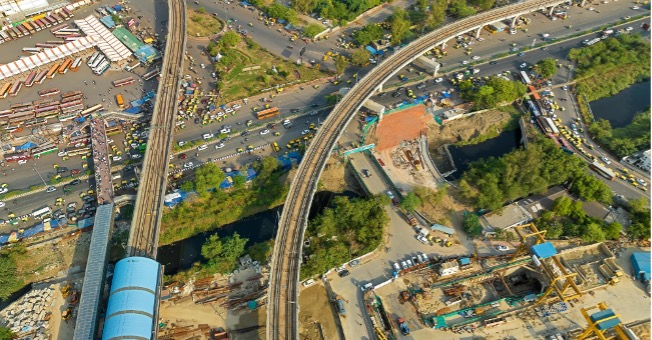
With regards to transport, more than 50 rail and road projects are already underway. This includes the A66 Northern Trans-Pennine Road upgrade and the £2.5bn East-West Rail development.
At the same time, the UK’s renewable energy sector is accelerating rapidly. Large-scale projects such as Gate Burton Energy Park, new offshore and onshore wind installations, and the Eastern Green Link subsea cable are reshaping the country’s electricity landscape.
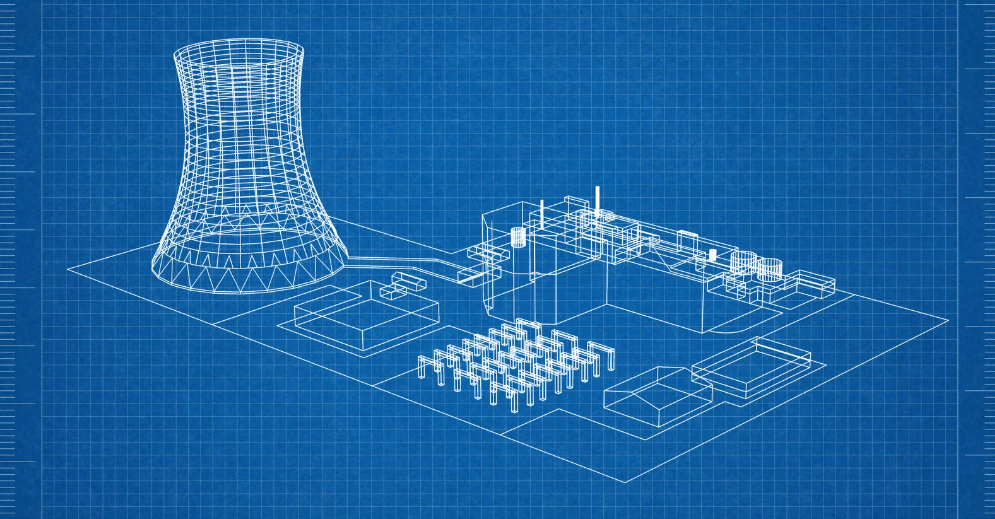
Along the Suffolk coastline, a new nuclear power station ‘Sizewell C’ is advancing and promising to provide low-carbon electricity for around 6 million homes, energy security, and local jobs.
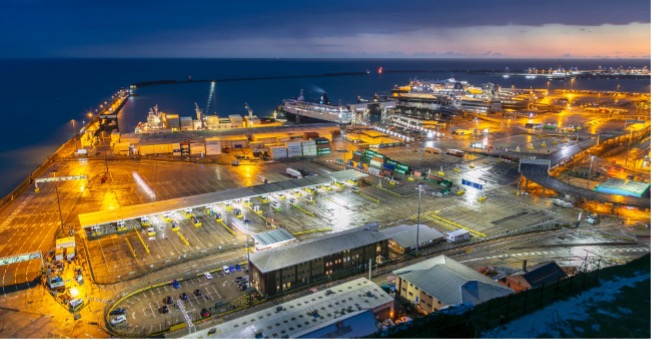
Ports are also undergoing modernisation, including the £1bn expansion of London Gateway. This ongoing project will make it the UK’s largest container port, increasing the trading capacity of the country and strengthening both national and international supply chains.
These projects are not just short-term surges of work, but a transformation of how our country operates. We can therefore expect this work to extend well into the 2030s, providing long-term demand for manufacturers and suppliers who pride themselves on precision and reliability of parts.
Where Springs Are Essential in Modern Infrastructure
Springs and pressings underpin some of the most critical functions across rail, energy, water, and logistics infrastructure.
As a procurement manager or engineer, it’s important to understand that all these industries require springs to be tested for extreme reliability, precision, and durability to minimise downtime and ensure consistency and safety across different projects.
Rail Upgrades
They play key roles in safety-critical operations, such as signalling devices, switching mechanisms, and locking systems. Being outdoors, they also need to be able to withstand thousands of operating cycles and the somewhat-harsh British weather.
Renewable Energy Installations
Wind turbines, solar panel systems, and subsea cable networks all rely on springs for keeping the network steady and stable. This is often through techniques such as vibration damping, load balancing, and tension control.
Components in these applications often need to endure temperate extremes, UV exposure, salt spray, and constant mechanical stress, so reliable and durable parts are critical.
Port and Logistics Infrastructure
Long gone are the days of manually checking and moving shipping containers at ports. In fact, entire port operations are becoming increasingly automated, with container cranes, automated vehicles, and load-handling systems all performing with fewer human interventions.
These machines all rely on springs performing consistently to ensure the same result each time, especially under heavy and repetitive loads.
Given the corrosive nature of working alongside sea water, it’s also important to choose the correct materials to protect them from the extreme conditions of operating at a port.
Power Transmission and Distribution
Circuit breakers, switchgear, transformers, and cable management systems all incorporate spring mechanisms to support electrical contact force, ensure safety under load, and enable rapid switching.
Water and Drainage Systems
Springs are integrated into pumps, valves, flow-control devices, and treatment systems exposed to chemical agents, moisture, and constant cycling. Given their extensive contact with water, it’s imperative that materials used are resistant to corrosion and keep their performance across long, demanding structures.
Across all these sectors, there are unique environmental demands that can place strain on springs and pressings. As such, it’s important to consider these demands at the spring design stage to ensure that you are calculating these factors into the expected lifespan of components and prevent premature failure.
Furthermore, the correct thermal processing of springs and finishes, such as powder coating, can protect parts from corrosion and other types of environmental wear. It’s important to ensure springs are designed for the conditions they will be running under to be able to calculate their lifespan and to optimise their performance.
What Infrastructure Projects Need from Suppliers
With infrastructure projects growing in scale and complexity, procurement teams are placing more emphasis on certain attributes to ensure long term quality and minimise downtime.
Exceptional Quality Control
Projects work on tight schedules, and a single faulty part can cause costly downtime or safety issues. Adhering to stringent specifications and ensuring traceability is paramount.
Bespoke Capabilities
Manufacturers who can design bespoke solutions are increasingly valued by such large projects that require even the smallest of parts to work seamlessly within its operations.
Flexible and Scalable Production
Suppliers must be able to increase production, adapt designs, and meet shifting schedules without compromising consistency or lead time.
Cross-Sector Knowledge
Understanding the unique demands of rail is different from designing for high-voltage energy infrastructure. Suppliers with multi-industry experience, however, bring insight that helps engineers choose the right materials and designs.
Long-Term Reliability and Partnership
Given the hefty investment into these infrastructure projects, and the long-term commitment needed to complete them, it’s crucial that suppliers not only support the initial delivery but are able to provide ongoing maintenance, future upgrades, and consistent repeat production.
Sustainability and Infrastructure Longevity
The financial boom into British infrastructure is designed to achieve a range of aims across multiple sectors. However, one aim that crosses all industries is to improve sustainability.
It is therefore crucial that suppliers prioritise reliability and longevity of parts to reduce maintenance requirements, replacement cycles, and downtime. The lifecycle cost of high-quality parts will offer better value over 30-years than parts with a lower initial price point but require replacing much more frequently.
Manufacturers who invest in material excellence, precision engineering, controlled heat treatment, and corrosion-resistant finishes position themselves as strong partners in the green infrastructure supply chain.
Looking Ahead
Infrastructure spending is set to remain high throughout the 2030s as projects progress from planning to construction and long-term operation. For engineers and procurement teams, now is the ideal moment to establish relationships with component manufacturers capable of meeting future requirements.
After all, behind every major infrastructure project is a network of trusted suppliers delivering critical components.
At Airedale Springs, we pride ourselves on building long-term partnerships where we can adapt designs and components based on changing requirements and needs. To discuss the needs of your upcoming projects with one of our experts, get in touch with us by calling 01535 643456.